Most people don't think twice about curtains until they've already bought the wrong ones. A fabric that looked perfect on the roll turns translucent in the afternoon sun. A track that seemed sturdy sags within a year of humid coastal air. It's a common story, and it usually comes down to skipping a few key questions before the order goes in. If you're weighing up curtains Northern Rivers homeowners can rely on through humidity, salt air and long stretches of summer glare, the fabric and finish you choose matters just as much as the look you're after. This guide walks through the questions worth asking before you commit, in the order they usually come up: style, fabric, custom versus ready-made, and finally installation.
Why Ask Questions Before You Buy Curtains?
Curtains are one of those purchases that feel simple until you're standing in a showroom faced with dozens of fabric swatches and no clear idea what actually suits your home. Anyone shopping for curtains Northern Rivers wide tends to hit this same wall. Skipping the planning stage is how people end up with curtains that look right in isolation but wrong once they're hung, or fabric that can't handle the local climate. Asking the right questions early saves time, money and a fair bit of frustration later on.
Before you look at a single swatch, it helps to get clear on:
- What each room is actually used for
- How much natural light you want to keep or block
- Whether privacy or insulation matters more in that space
- What your budget realistically stretches to
Getting these basics sorted first means every decision after this point is easier and more targeted.
What Style of Curtain Suits Your Home? (Sheer vs Blockout vs Layered)
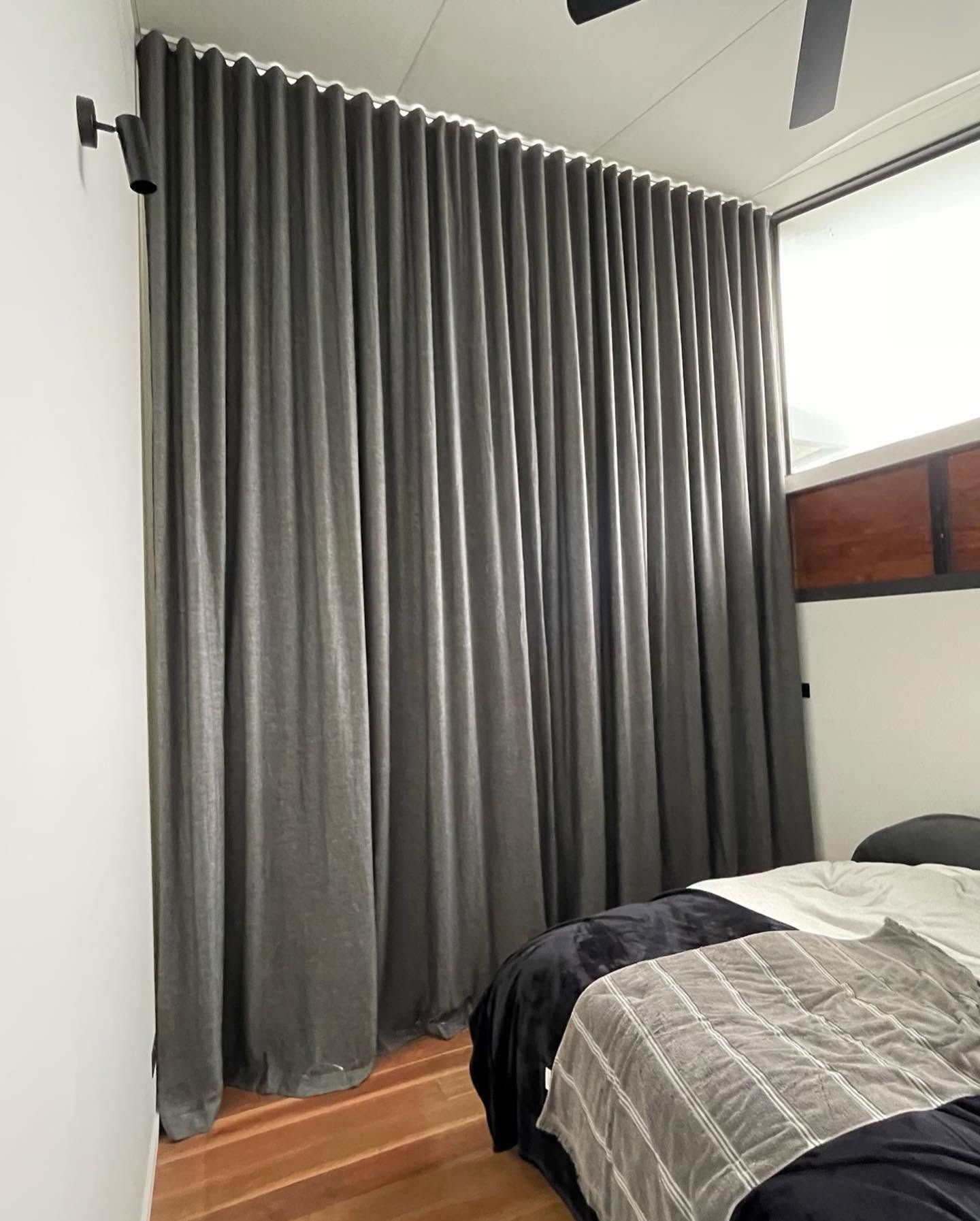
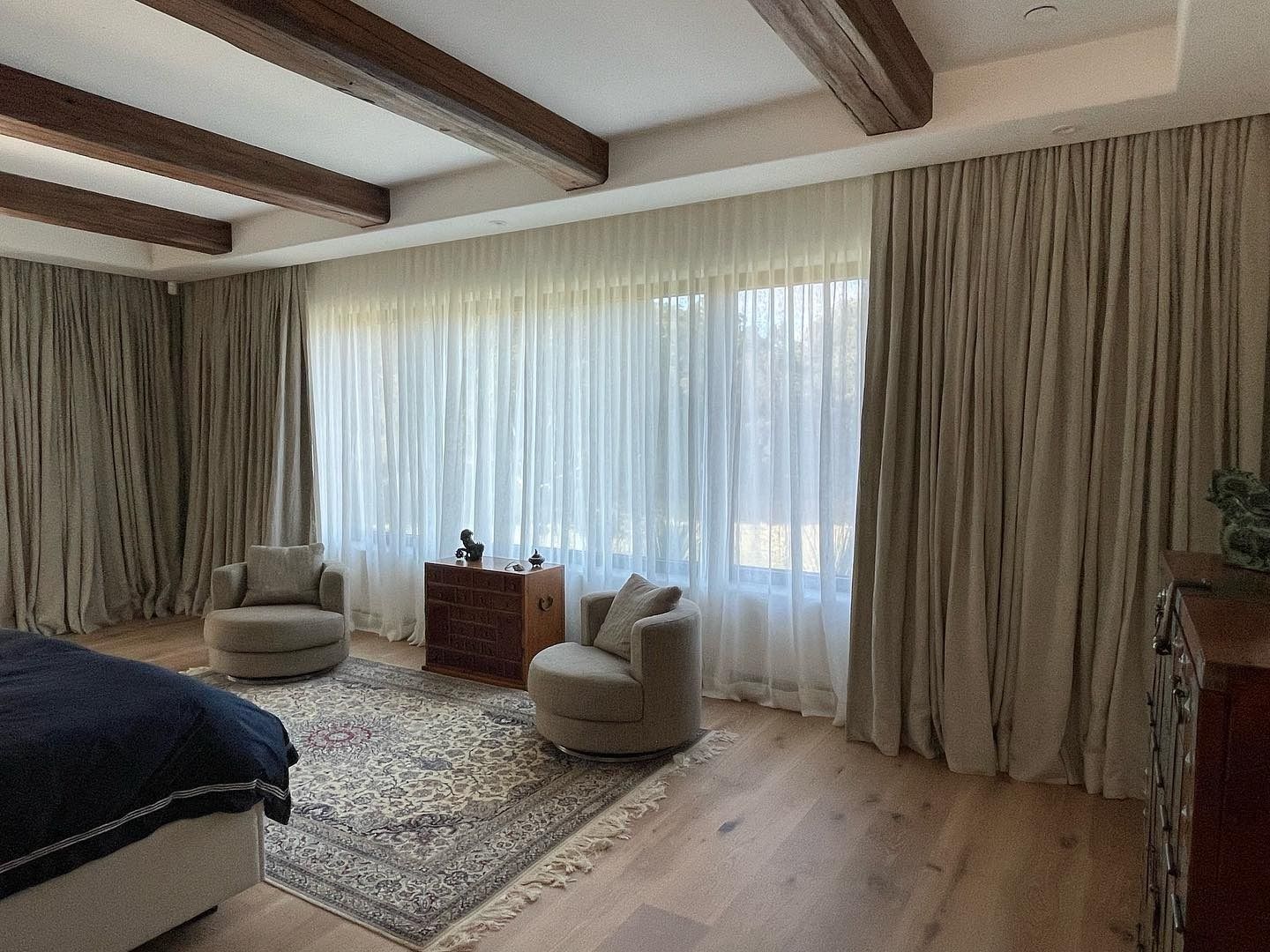
Style is usually the first decision, and it's also the one that shapes everything else. Sheer curtains let light filter through while still offering daytime privacy, which suits open-plan living areas where you want brightness without feeling exposed. Blockout curtains do the opposite job, cutting glare and adding a layer of insulation, which makes them a natural fit for bedrooms and media rooms. Layered curtains combine both on a double track, giving you flexibility to switch between filtered light and full blockout depending on the time of day.
When comparing styles, it helps to weigh up:
- Sheer for soft, filtered light in living and dining spaces
- Blockout for privacy, darkness and insulation in bedrooms
- Layered for flexibility across both, using a double track system
The right choice often comes down to how the room is used rather than personal taste alone.
What's the Right Fabric for the Northern Rivers Climate?
Fabric choice is where a lot of curtain decisions go wrong, particularly in a climate defined by humidity, salt-laden coastal air and strong UV exposure. A fabric that performs well inland might not hold its shape or colour near the coast, and lightweight fabrics that look elegant can fade faster under direct sun than heavier weaves. Getting this right means thinking beyond appearance and considering how the fabric will actually behave over years of use.
Fabrics suited to this kind of climate generally need to offer:
- Resistance to fading from consistent UV exposure
- Reduced moisture absorption in humid or coastal homes
- Durability against salt air without weakening the weave
- Colourfastness that holds up wash after wash
A fabric that ticks these boxes will look better for longer, which matters more here than in a drier climate.
Custom or Ready-Made, and Tracks or Rods?
Once style and fabric are settled, the next question is whether to go custom or ready-made, and what hardware to pair it with. Ready-made curtains can work for standard window sizes and tighter budgets, but older homes and unusual window shapes common across the region often need a tailored approach to get the fit right. We've covered this trade-off in more detail in our guide to why
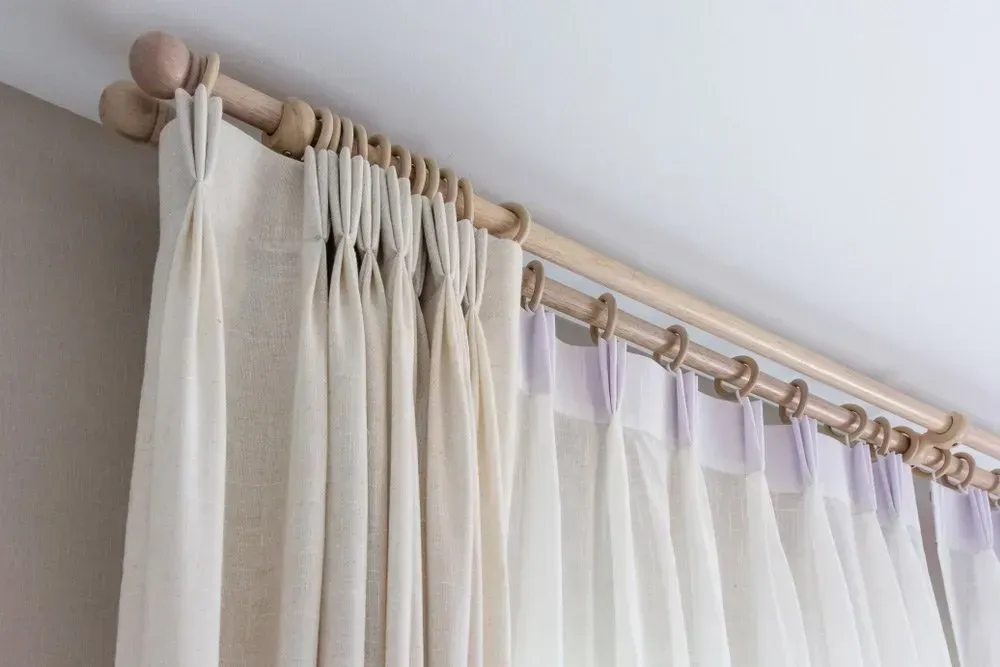
made-to-measure curtains win over ready-made options. Tracks and rods each suit different looks and functions too.
Consider:
- Custom curtains for a precise fit on non-standard windows
- Ready-made curtains for standard sizes and simpler budgets
- Tracks for smooth, discreet operation and layered setups
- Rods for a more decorative, statement-making finish
Matching the hardware to the fabric and window shape avoids a mismatch that's hard to fix after installation.
How Will Curtains Affect Insulation and Energy Efficiency?
Curtains do more than dress a window, and in a climate with long hot stretches and cooler winter nights, their insulating properties are worth factoring into the decision early. Blockout curtains in particular reduce heat transfer, which keeps rooms cooler in summer and warmer in winter, easing the load on air conditioning and heating. Sheer curtains contribute less to insulation but still soften harsh light and reduce glare through the middle of the day.
When thinking about energy efficiency, it's worth considering:
- Blockout fabrics for reduced heat transfer year-round
- Layered setups for flexibility between insulation and light
- Snug-fitting tracks that limit air gaps around the window
- Heavier fabrics in rooms that get the most direct sun
Even a modest improvement in insulation can make a noticeable difference to comfort and energy bills over a full year.
Should You Combine Curtains with Blinds or Shutters?
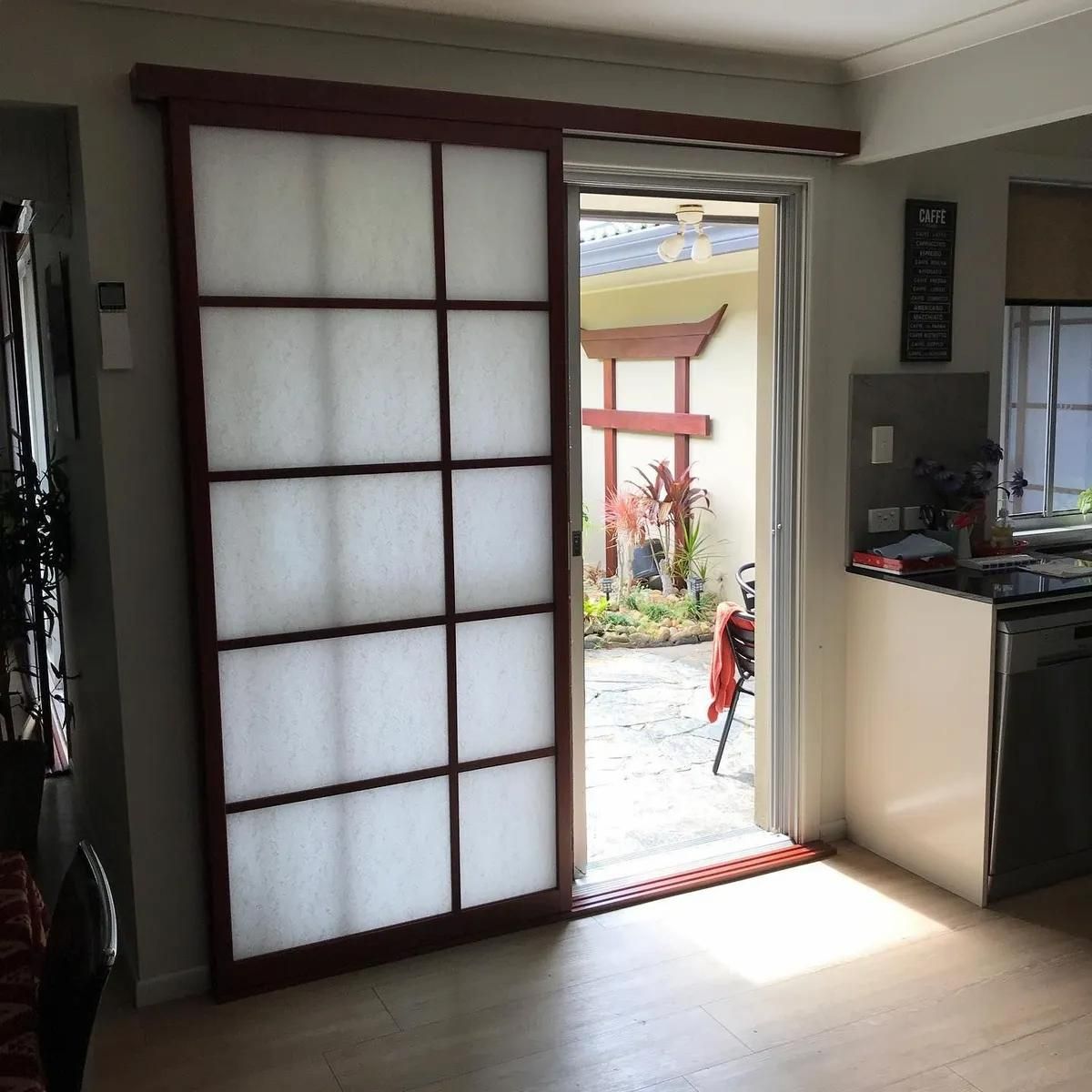
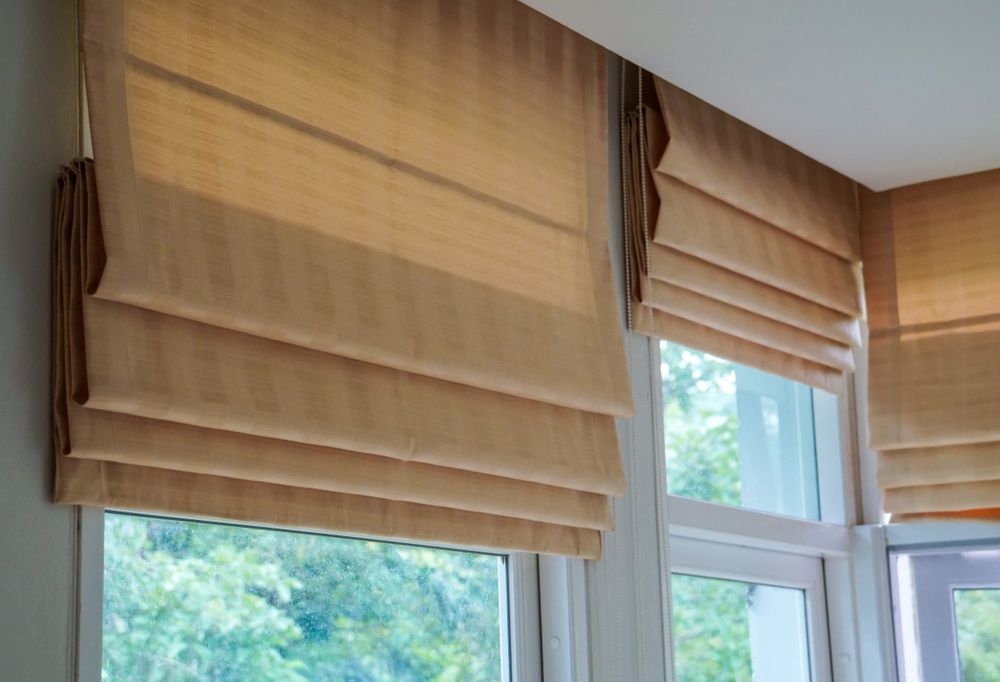
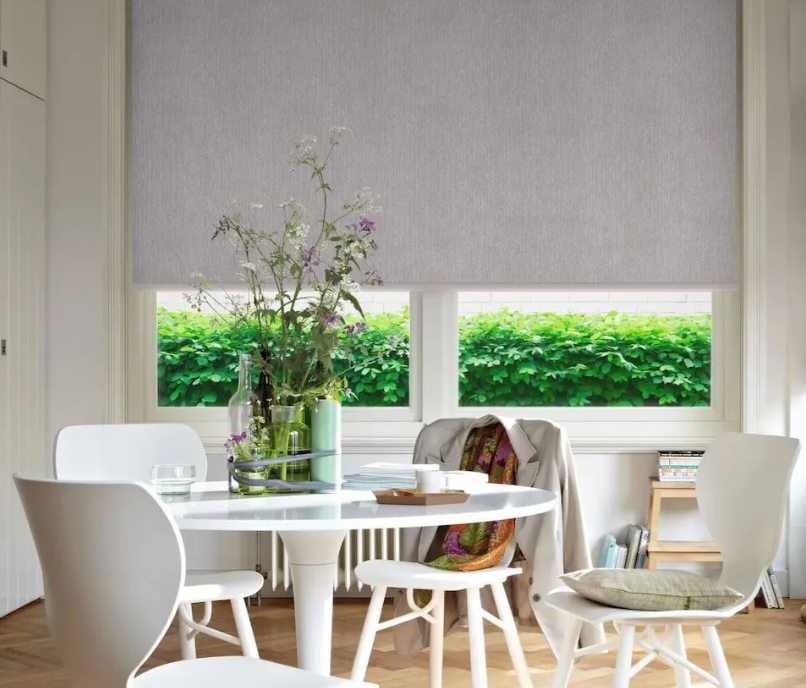
Curtains don't need to work alone, and in many homes across the region a combination of window coverings gives better results than curtains by themselves. Pairing curtains with blinds or shutters allows finer control over light and privacy, since each layer can be adjusted independently depending on the time of day or season. This approach also adds a design element, letting texture and fabric sit alongside the cleaner lines of blinds or shutters.
Combinations worth considering include:
- Sheer curtains over blinds for adjustable daytime light control
- Blockout curtains with shutters for maximum privacy at night
- Curtains as a soft finishing layer over existing hard window coverings
- Mixed textures to add depth without overcomplicating a room
The right combination depends on the room's orientation and how much control you want over light throughout the day.
Who Should Measure and Install Your Curtains?
Curtain installation is where a lot of otherwise good decisions can unravel. Even the best fabric and style choice can be let down by an inaccurate measurement or a poorly fitted track. Windows in older homes are rarely perfectly square, and a few millimetres out can mean gaps that let light in around the edges or curtains that don't sit flush. Professional measuring accounts for these inconsistencies before the fabric is even cut, which avoids costly reordering down the track.
When deciding who handles measuring and installation, think about:
- Whether the windows are standard sizes or custom shapes
- How experienced the installer is with tracks versus rods
- Whether the fabric requires special handling during fitting
- How much time you have before the curtains are needed
Getting the measurement right the first time is one of the simplest ways to avoid disappointment later.
What's Your Budget and Timeline?
Budget and timeline shape almost every decision above, so it's worth being upfront about both before you start comparing fabrics and styles. Custom curtains generally take longer to produce than ready-made options, and premium fabrics or motorised tracks add to the cost. Budget is often the deciding factor, so see our full breakdown of
what curtains cost and what affects the price.
Before locking in a decision, it helps to map out:
- How many windows need covering and in what order
- Whether custom curtains fit your timeline or ready-made is more practical
- What fabric and hardware combination sits within budget
- Any lead times for fitting before a specific date, such as moving in
Being realistic about both budget and timeline from the outset makes the rest of the process far smoother.
Get Your Questions Answered With a Free Measure and Quote
We at BlindDESIGN know that no two homes across the Northern Rivers face quite the same conditions, whether it's the salt air near the coast, the humidity further inland or the long hours of summer glare that most rooms need to contend with. These are the questions we hear most from homeowners across the region, including
Byron Bay,
Ballina,
Lismore and
more. Rather than working through a checklist on your own, our free measure and quote service lets us look at your specific windows, your home's orientation and the fabric options that will genuinely hold up over time. Give us a call or
book a consultation, and we'll help you settle on curtains that are right for your home rather than just right on paper.